
Manfred's Moral Decline
The Castle of OtrantoThis thread traces Manfred's movement from anxious dynastic ruler to coercive husband, suspicious tyrant, and repentant exile.
increasing Bearing strength in each event
 decreasing
Bearing strength in each eventdecreasingFavoritism and Fear
Favoritism and Fear
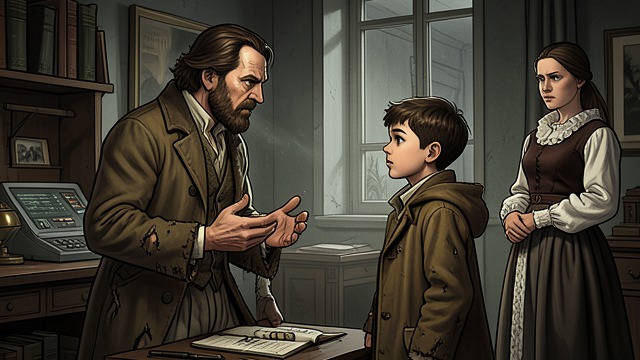
The Preferred Son
Manfred favors Conrad while neglecting Matilda, treating the boy as the essential support of his house. He hurries the marriage despite Conrad's frail health.
Rule under a Prophecy
The prince's haste is shaped by the warning that Otranto may leave his family. His apparent authority therefore rests on insecurity about the legitimacy and durability of his line.
Grief Displaced by Ambition
Grief Displaced by Ambition
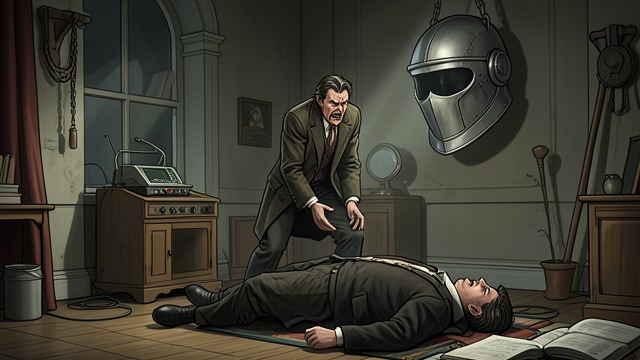
A Son Lost
Conrad dies beneath the giant helmet, yet Manfred's attention fixes on the supernatural object more than the body. He quickly turns the disaster into a question of preserving his house.
Anger as Defense
His violence toward the peasant and his impatience with the household reveal grief warped by fear. Instead of mourning, he searches for someone to punish and a new heir to secure.
Desire Becomes Coercion

Desire Becomes Coercion
Isabella as a Remedy
Manfred offers to marry Isabella and dismiss Hippolita, justifying his plan as necessary to produce sons. He interprets personal desire as a matter of state.
Rejection and Pursuit
Isabella rejects him and flees. Manfred pursues her through the castle despite warnings, transforming his private fear into direct abuse of his authority.
Suspicion and Misrule
Suspicion and Misrule
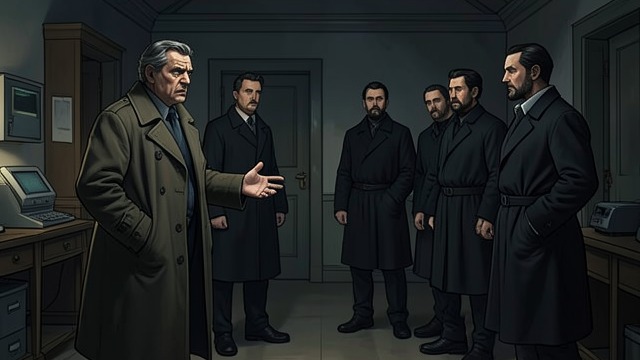
Enemies Everywhere
Manfred suspects Jerome, Theodore, and Frederic of thwarting his plans. He manipulates negotiations and orders searches, treating his household as a field of conspiracy.
Control Slips Away
The supernatural signs multiply while his political bargains unravel. Each effort to impose order deepens the impression that he is resisting a judgment he cannot command.
Confession and Exile
Confession and Exile
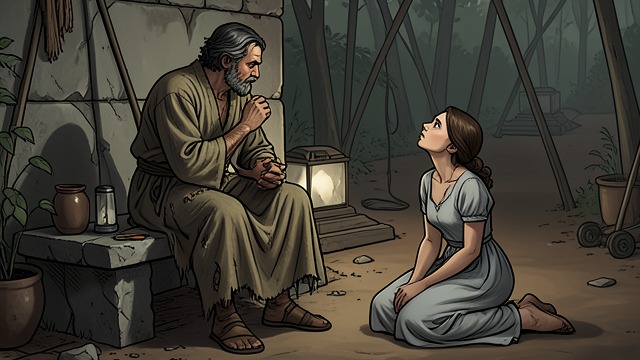
Recognition of Guilt
Manfred realizes that he has killed Matilda while attempting to kill Isabella. Her forgiveness and concern for Hippolita pierce his self-justification.
Renunciation
After Alfonso names Theodore heir, Manfred confesses Ricardo's crime and gives up Otranto. He enters religious retreat, carrying the personal and political consequences of his rule.
before the wedding
the wedding morning
the night of Conrad's death
the day of Frederic's arrival
after Matilda's death
